

12 Lessons from A Decade in Tech
My journey from "one of the guys" to "one of the girls" to building a life that honors all of me!

I spent years trying to fit in, proving that I belonged and often hiding parts of myself. It has been over a decade of persistence, evolution, and unlearning to realize that success in tech and life comes from being whole.
Today, I want to share a few unexpected lessons that have shaped my journey from Mumbai to New England to Silicon Valley.
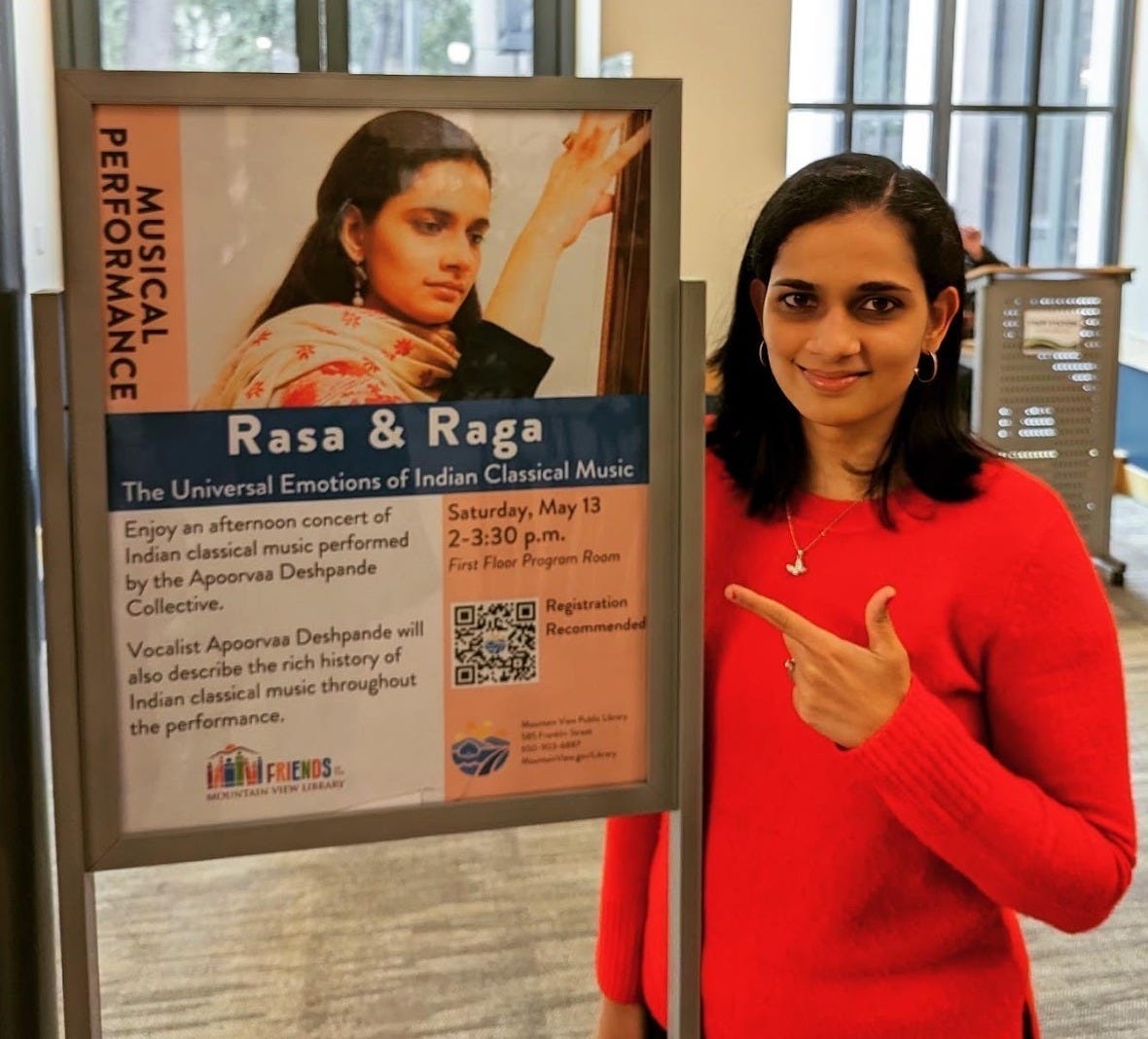
I grew up in a modest middle-class household in India with an unlikely combination of influences. Music was a foundational part of my upbringing, as my mom was a renowned musician. My dad, an economics researcher, always encouraged the academic inquisition.
My parents never pushed me for grades or insisted I do engineering, unlike the dominant Indian culture. While my peers were choosing between arts and sciences, I was doing both. My life has essentially been an unfolding of that dual identity.
Perhaps my parents never had to push me because I was inherently a geeky kid. The one who actually loved doing homework and spending hours studying. But no one dared call me a nerd (padhaku! as they would say in India) since I would often be seen on the school stage performing :D
Coming to think of it, being good at music was actually the bare minimum expectation from me, but being good at math?
That was an unlikely twist no one saw coming.
My father jokes about it to this day. No one in our immediate family for the past two generations has had any luck with math, and my father is positively scared of it! Yet somehow, I fell head over heels for it.
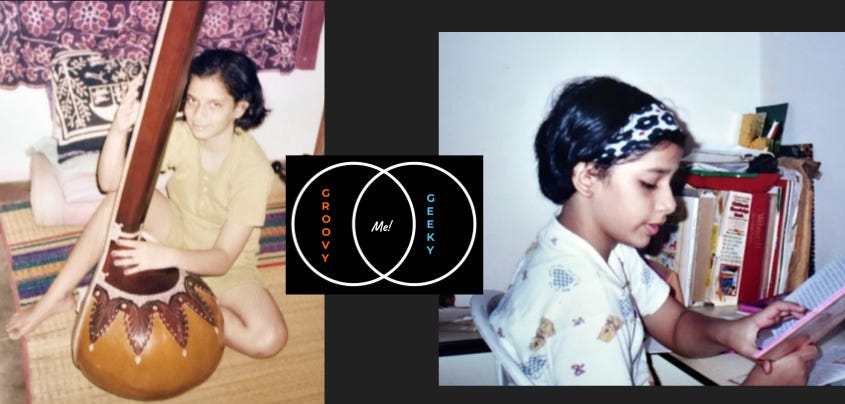
Over the years, this unlikely love affair led me to math olympiads, an undergrad in math and computer science, an Ivy League PhD in cryptography, and eventually to privacy engineering and data governance in big tech.
I spent most of my early education as “one of the guys.”
The first math olympiad camp that I attended as a 15-year-old had an abysmal ratio of 2 girls in a class of 30. In the subsequent camp, it somehow got worse, and I was the only girl with 28 other guys (sidenote – one of them is my husband now 😃).
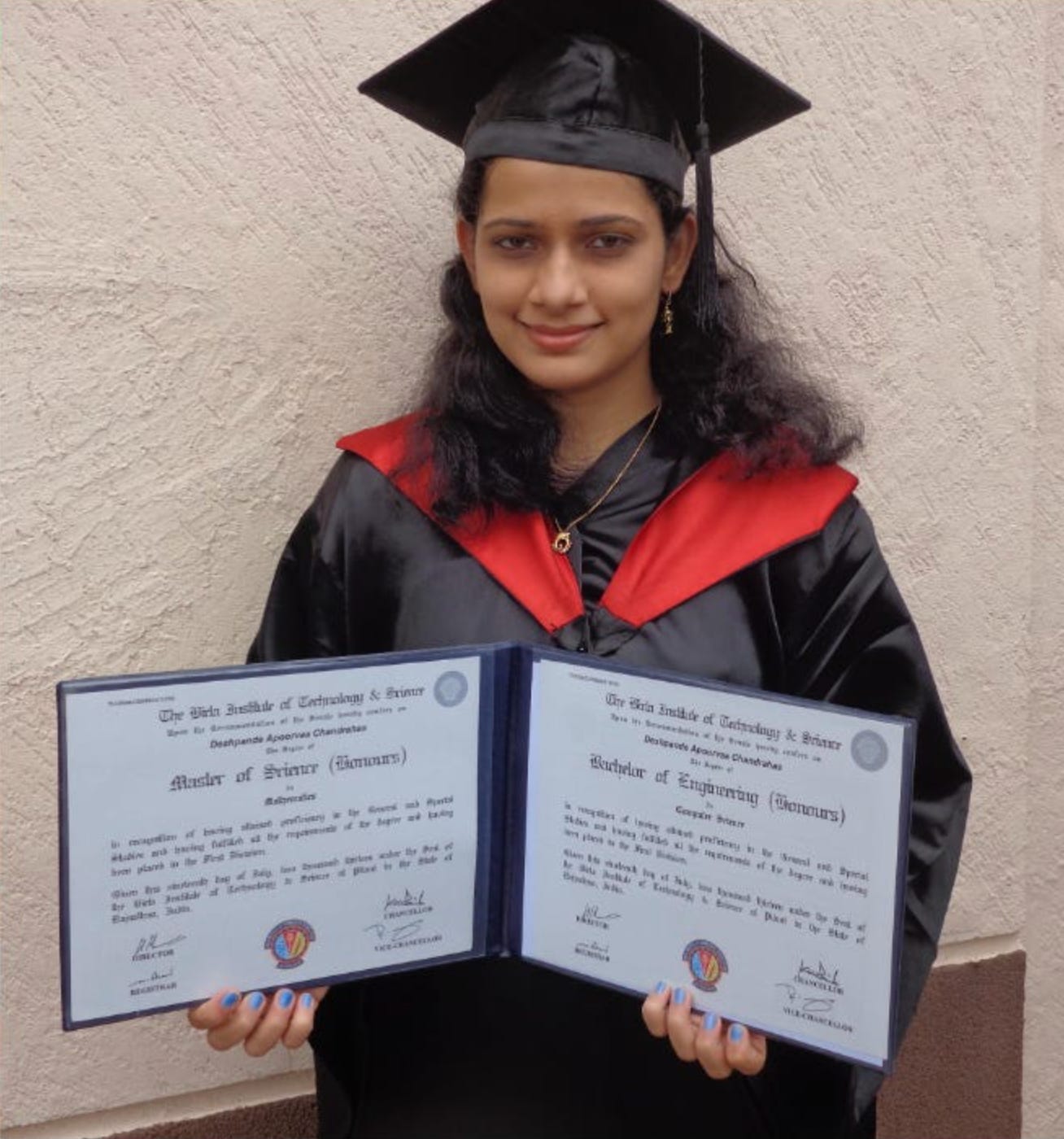
In my undergrad at BITS Pilani, girls made up only 10% of the class. In those days, being “one of the guys” was the only way you were taken seriously in math, and I subconsciously started believing that “I made it,” too naive to understand the systemic issues causing this gender disparity.
In my third year of undergrad, I stumbled upon cryptography through an elective course, and that unexpectedly changed my trajectory to “one of the girls”. I was absolutely smitten by cryptography; it was love at first cipher! 😀
Theoretical cryptography turned out to be a field with a strong female presence, something I hadn’t experienced before. One of the founders of modern cryptography is female – Shafi Goldwasser, both my PhD advisors were women, and most of my PhD papers were written with female co-authors. Even later in tech, I have been part of teams that have consistently had more female engineers than the industry average.
Over the last decade in computer science, I’ve had the very rare privilege of working with many prolific academics and technologists.
I’ve learned what it takes to succeed in tech. But more importantly, I’ve learned what it costs to abandon yourself in the process and why you don’t have to.
Let’s dive into the lessons.
1. Let Your Curiosity Be The Compass
I still remember that sunny afternoon in 2009 in my second year of undergrad. I walked into my first Graph Theory lecture expecting just another math course, and walked out with my mind completely blown.
Graph theory was an ENTIRELY new way of thinking, a powerful visual tool to solve mathematical problems I’d never encountered before. Problems that seemed abstract suddenly had elegant, almost artistic solutions.
That feeling of intellectual excitement was so precious, I still chase it today.
When you get that tingle—that sense of “oh, this is fascinating“—pay attention. Don’t dismiss it as impractical or a distraction from your “main” path. Indulge in it and leverage it to fast-track your learning.
Following my curiosity has taken me places I never planned to go, and it’s served me far better than any carefully mapped career strategy ever could.
2. Take Initiative, Start The Things You Wish Existed
Don’t just follow your excitement, ACT on it.
After the graph theory course ended, I was fascinated by Ramsey graphs and discovered a few classmates felt the same way. So I set up a reading group to explore it further together, diving deeper. Our exploration there turned out to be applicable to a robotics problem, and that led to my first academic paper.
Taking initiative comes naturally to me now, but it started with moments like these. I’ve learned that initiative compounds over time. Each time you take it, the next time feels a little less scary, a little more natural.
If something you wish existed doesn’t exist—a study group, a project, a conversation—why don’t you start it? Reach out. Gather people. Make it happen.
3. Rejections Are Not Always About Your Ability
Perhaps we are scared of taking initiative because we fear rejection. But rejections are bound to happen, and sometimes they have nothing to do with you.
When I applied for PhD programs at the end of my undergrad (2013), I didn’t get into some of the universities I was hoping to, and I was heartbroken. I felt like a failure, questioning whether I was actually good enough for this path.
Later, at one of the conferences, I met a professor from Columbia University whom I’d applied to work with. She said,
“I remember you! I wanted to take you on as a student, but I didn’t have enough funding that year.”
Years later, when I sat on university admission committees myself, I saw this even more closely—decisions shaped by lab capacity, funding cycles, and broader university policies that had little to do with the applicants’ abilities.
Obviously, your credentials matter. But sometimes rejections aren’t about you at all. Don’t take them personally. Keep pushing forward. Keep pursuing the opportunities you want.
4. Be Pushy Sometimes
Along with Columbia, I was also rejected from the PhD program at MIT, and that was definitely not due to funding issues :D I just didn’t have the top conference publications or IMO gold medals or reference letters from prolific professors to make the cut.
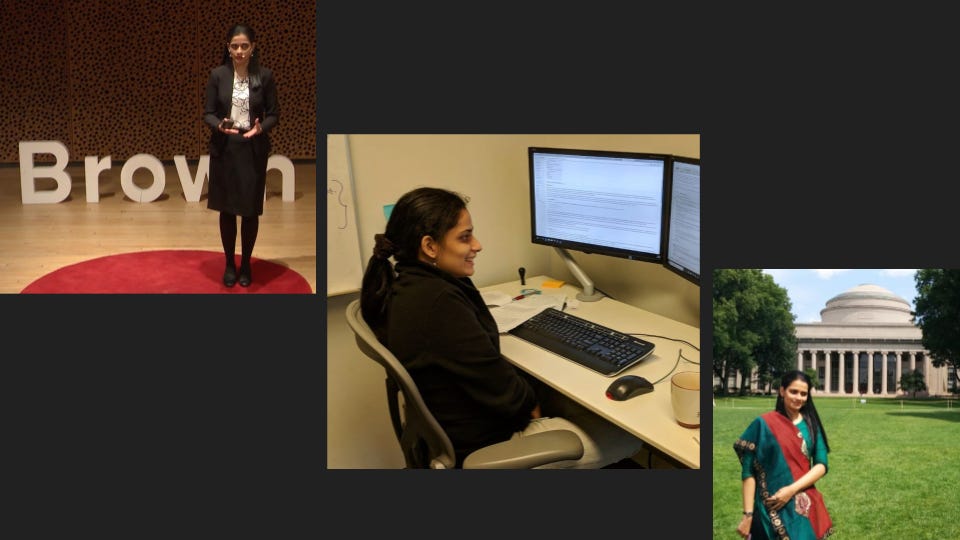
But thankfully, I ended up not too far from MIT for my PhD. Brown University was amazing. I was soaking in the vibrant Ivy League culture. Every so often, I used to visit the cryptography seminars at MIT, and I expanded my academic network that way. Even if it was intimidating, I used to force myself to talk to and ask questions to the professors and postdocs there.
I wanted to work with Yael Kalai, an icon in cryptography. She didn’t respond to me initially, but I used to see her very often at the MIT seminars, and I kept bugging her to meet me once. Finally, I got my chance, and my very first meeting was me presenting a paper to her that she wanted to understand. She asked me several probing questions, and I was thankfully able to answer them well and also articulate some interesting research directions.
I started working with Yael after that, and she took me under her wing. I effectively spent the last two years of my PhD at MIT. It was literally a dream come true to be surrounded by many of my academic celebrities every day! Some of my best PhD research and ideas have come out of my work with her, and she is probably the person I have learnt the most from.. 🙂
A little pushiness can change your trajectory!
People are busy; you have to push for what you want.
And honestly, I wouldn’t worry about coming across as creepy, because there will come a moment of truth when your idol will see through you. And that moment comes down to confidence, courage, and really knowing your stuff!
5. Difficult Times Help Refine What You Want From Life
Up until my third year of PhD (2017), I had always been pushy about having both music and math in my life. They were non-negotiables, two core parts of my identity.
But towards the end of my PhD, things got hard. I started seeing all these people around me spending hours and hours on their work. The internal pressure built up. I thought I needed to do the same—to be serious to make it. So I did what I thought I was supposed to do: I put aside my music. I told myself it was a distraction I couldn’t afford.
The result? I felt miserable.
AND my research didn’t get better. The joy and creativity that music brought me—that was gone too. I’d sacrificed part of myself thinking it would make me more successful, but all it did was make me less whole. Only when I reconnected with music, my research took off, and I was able to do some work that I am proud of!
Difficult times reveal what you cannot live without.
6. Create Win-Win Arrangements
After realizing I needed space in my life for music, I decided to explore non-academia options post PhD. I was also genuinely interested in practical applications of cryptography—this was at a time when a lot of cryptography research was being deployed in the blockchain space, and I wanted to see my work used in the real world.
I didn’t know exactly how to make the transition, so I decided to attend Real World Crypto, a conference focused on practical cryptography. There, I connected with a blockchain startup, Celo, and realized that they were working on a problem I had worked on in my PhD (that research is now deployed at scale in WhatsApp!).
I was in my final year at the time, but I wanted industry exposure before graduating. I spoke to Celo and they were happy to offer me a fellowship. I scoped the research problem to my university and advisors’ liking, creating a win-win where I could stay a student, save the university’s money, while getting real industry experience.
Be strategic about creating pathways toward where you want to go. Don’t just wait for the perfect opportunity to appear after you graduate or after you’re “ready.” Create your own win-win arrangements. Build new bridges between where you are and where you want to be.
7. Find Your Own Problems To Solve – Ownership Is Always Rewarded
At Real World Crypto, I attended a talk by Snapchat and was fascinated by the work they were doing in bringing cryptography to products at scale. That was how I got introduced to the discipline of privacy engineering in the first place. I went to talk to the speaker afterward. He kept in touch with me, invited me to interview after I graduated, and became my first manager at my first job ever.
When I started at Snap in 2020, I had no idea what a “job” actually meant. So I continued with the mindset from my PhD: exploring interesting problems, talking to people, finding solutions.
One time, I was curious about our company’s ad stack and started experimenting with the codebase. In the process, I noticed we were doing something suboptimal that could be improved while also enhancing privacy. I proactively pitched the solution and deployed it with the team. It ended up saving a few million dollars annually—a huge impact I never anticipated.
That naturally led to promotions and bonuses, but those were never the goal. I was just learning, upleveling my skills, solving problems that interested me.
Ownership isn’t assigned—it’s taken. When you find your own problems to solve, the rewards follow.
8. Assume Good Intent, But Verify With Action
Due to my initiative and impact on previous projects, I organically got included in a high-priority ads privacy project at Snap. I was the only woman in a group of 20+ male engineers. I’d gone from the female-heavy world of theoretical cryptography back to being the only girl in the room again.
Even though I was leading the privacy technical design, I often felt intimidated presenting my ideas. This speaks to real systemic issues about women in tech. Often, I would find myself in an “activist” mode, hypervigilant to any hint of bias.
In one meeting, the lead engineering manager (let’s call him Harry) asked another teammate of mine a question about a design decision we’d made. I felt indignant—I was the point person from my team on this project.
Why wasn’t he asking me?
I brought it up with my manager, who, by the way, was the biggest champion of women in privacy engineering. My manager aggressively positioned me as the only point of contact for my team. He directed all queries to me. I got the ownership I wanted and grew immensely. Surprisingly, over time, I developed a really good working relationship with Harry. He will, to this date, advocate for my expertise in rooms that I am not in.
Let me be clear: misogyny is real.
Systemic issues in tech are real.
I’ve experienced both, and they need to be called out and fought against. But I’ve also learned to distinguish between bad actors and well-meaning people acting out of habit. The true test is whether someone changes their behavior when it’s pointed out to them.
9. Find Sponsors, Not Just Mentors
Harry became an unexpected sponsor for me, but how do you intentionally find sponsors? How do you identify those influential leaders in your field who will admire your work and vouch for you in the right places?
A few years into my career, a senior, prolific product leader joined the company. I was quite impressed by her work and wanted to learn from her and wanted to work with her. I did some digging into what she was working on and realized some of my recent expertise might be directly relevant to her projects.
I reached out with a specific value proposition and set up a meeting. We started working on a project together, and I loved it. She became another strong sponsor for me—someone who connected me with the right people and unlocked career opportunities I wouldn’t have found on my own.
It rightly feels weird and awkward to say,
“Can I pick your brain? Can we meet for a coffee chat?”
But if you do your homework and offer to help, not so much!
“I saw in our all-hands today that you are leading project X for the next quarter. I recently worked on project Y and believe that my skills could be valuable for X. Could I set up time with you next week to see how I can help you on X?”
It positions you as someone who adds value, not just takes it. That’s how mentors become sponsors.
10. Your Callings Don’t Compete
One time at Snap, we got an urgent request from a client team. We had to fix something with a very short deadline, and we were stuck—completely stuck. It was an all-hands-on-deck situation, heads against the wall, trying to find a solution.
I was particularly nervous about the timing because that same weekend, I had a music performance scheduled. My days were intense with the deadline pressure. My evenings were equally intense with practice for the concert. The two worlds felt like they were colliding in the worst possible way.
But then, amidst the crazy week, my brain spun up an idea. I whiteboarded a protocol design and it seemed to make sense. It was solving the problem we’d been stuck on. My manager looked at it and asked,
“How did you think of that, Apoorvaa?”
And that moment reinforced what I subconsciously knew – Whenever I was immersed in music, I was more creative and innovative. My music and tech were not opposing forces, but fueled each other and made me feel alive!
Your callings don’t compete with each other. They complete you.
11. Are Your “Limitations” Actually Your Strengths?
In 2021, motherhood became a new identity in my life. I had to rethink how I wanted to design life around everything important to me—tech, music, and now this tiny human who needed me.
When I came back to work, I was trying to prove myself all over again. I felt guilty about my new constraints as a new mom. I didn’t have the free-flowing flexibility I used to have. I couldn’t randomly hop on calls to brainstorm. I couldn’t stay late for impromptu discussions.
At that time, a mentor told me something that completely changed how I looked at it: “Your lack of time is your strength, not a weakness. You’re making things efficient—not just for yourself, but for your team and the entire organization.”
I started seeing it in action. Our daily standup had become a mix of socialization and updates that often ran long and left people unclear on next steps. I proposed we streamline it—move updates to async Slack posts so people could unblock themselves fast, and create a dedicated social hour on Fridays exclusively for team connection. It worked. People got what they needed faster, and our Friday sessions were actually more meaningful.
Constraints create creativity. What feels like a limitation can actually be your strength.

12. What’s Best For Your Life Is Best For Your Career
Over the years, I’ve realized that work is a very important part of life—what I call a meaningful path. But it’s still just one path. It’s important to think about how your job and career fit into your broader vision of life, not the other way around.
In 2024, when I was ready for a new challenge after Snapchat, I had three compelling offers: Google, Lyft, and a privacy tech startup. Lyft’s offer was more lucrative financially and from a career ladder perspective—it would have accelerated my trajectory by traditional metrics.
But I evaluated what was important for me in that season of life. Yes, I wanted to optimize for learning and lead technically challenging projects in AI privacy. But I also wanted enough space for my kids, for my music, and for my curiosities.
Traditionally, you might think of that as being less ambitious in my career, but I call it being ambitious about your whole life.
Design a life intentionally around everything that’s important to you. That’s where fulfillment lives.
BONUS: Be Unapologetically You!
When you embrace all aspects of your identity—your technical skills, your creative pursuits, your relationships—you don’t just become more authentic. You become magnetic to the people and opportunities that will actually support your whole life, not just one dimension of it.
Over this decade in tech, I’ve learned that my multifaceted callings aren’t competing forces I need to manage. They’re my strength. They make me more creative, more resilient, more whole. They make me me!
And that’s why I started PolyPaths - to help you build a life around everything meaningful to you. You don’t have to “pick a lane,” you don’t have to feel guilty about wanting to grow in multiple dimensions.
You don’t have to shrink yourself. You never did.
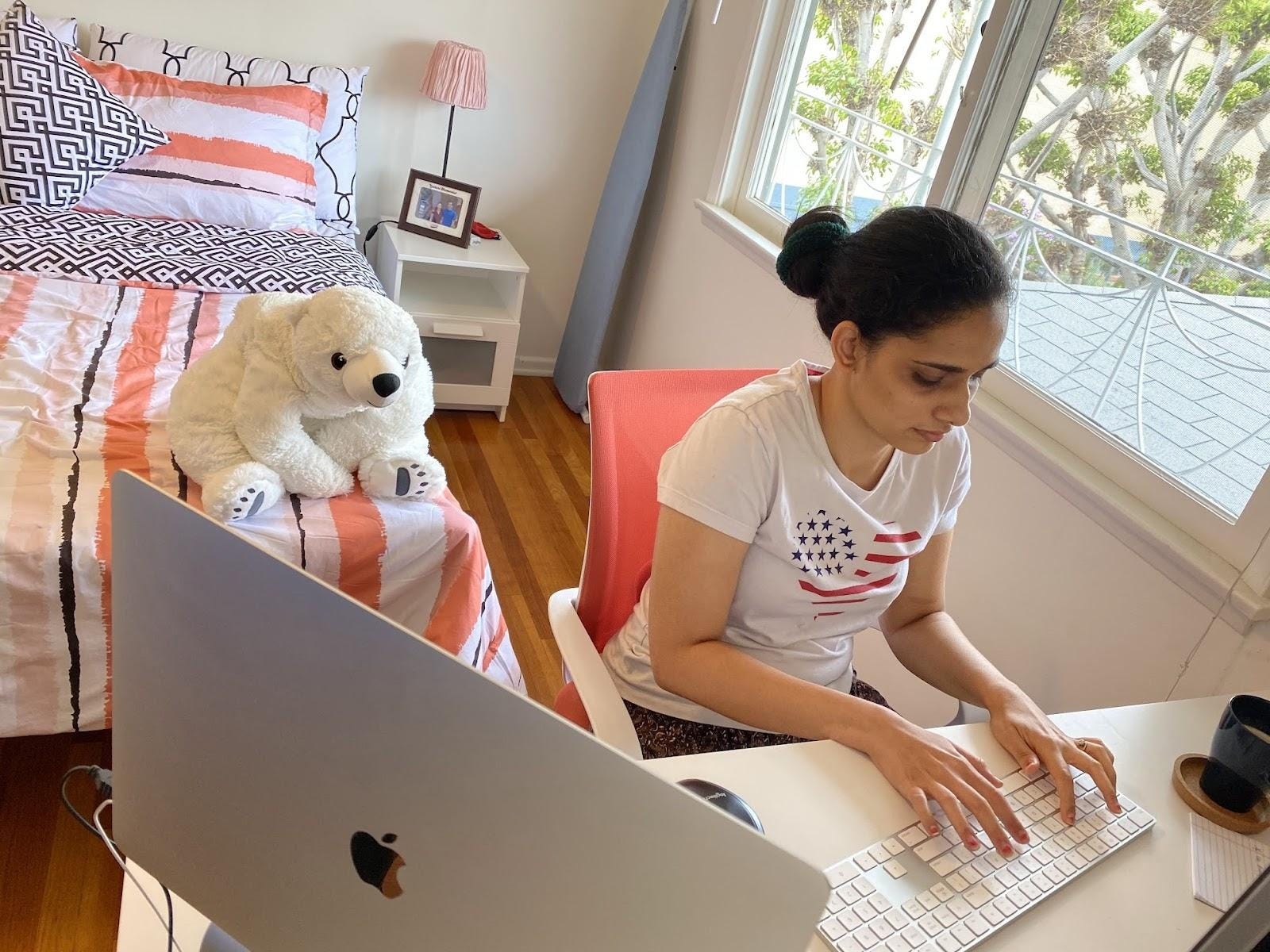
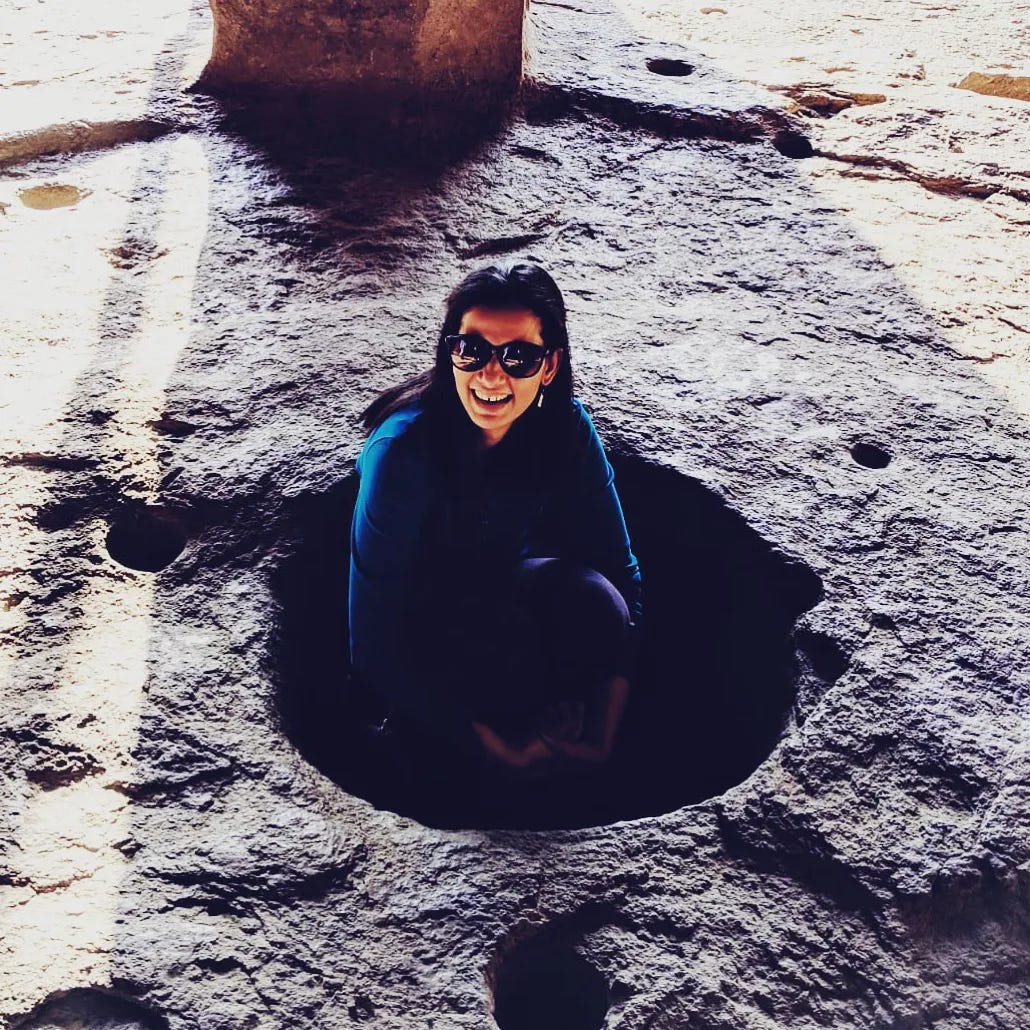
Except if you want to pose for an image 😃.
P.S. Thank you for reading this far. I want to give you a special gift – Creative Tech Women That Changed The World! – A digital book featuring wise quotes from prolific tech CEOs, CTOs, and founders. Just comment on this article with your favorite lesson, or DM me or email me at the.polypaths@gmail.com, and I’ll send you the book. 🙂
Author Spotlight
We’re so grateful to Apoorvaa Deshpande for allowing us to share her story here on Code Like A Girl. If you enjoyed this piece, we encourage you to visit her publication and subscribe to support her work!
Recommend a Woman in Tech Today
Most people assume great writing rises on its own.
It doesn’t.
We are on a mission to increase the number of women on the Technology Best Sellers and Technology Rising Lists on Substack. Right now, the list contains roughly 10-13% women. We would like to see that number at 50%.
On Substack, recommendations are the distribution layer. They decide who gets surfaced, followed, and paid attention to.
We’ve subscribed to over 300 women writing about tech, AI, and robotics.
In roughly one-third of recommendation lists we see, women don’t appear at all.
Let’s change that!
Consider recommending a woman or non-binary person on Substack today.
Join Code Like a Girl on Substack
We publish three times a week, sharing technical tutorials, personal stories, and leadership insights from women and non-binary technologists.
Since 2016, Code Like a Girl has amplified over 1,000 writers and built a thriving global community of readers.
What makes this space different is that you’re not just reading stories, you’re joining a community of women in tech who are navigating the same challenges, asking the same questions, and celebrating the same wins.
Subscribe for free to get our stories, or become a paid subscriber to directly support this work and help us continue amplifying the voices of women and non-binary folks in tech.
 | A guest post by
|
I enjoyed your story and it was fun to learn that theoretical cryptography is women-led! Thank you for sharing this (and thank you to Dinah for spotlighting it). And I’d love a copy of your book. I’ll DM you.
Thank you so much for sharing this inspiring journey!